
.png)
In an economy shaped by attention, visibility is easy to buy. Influence is not. As platforms multiply and content volumes surge, brands are discovering that reach alone no longer guarantees relevance. What separates the brands people remember from those they scroll past is cultural currency.
Cultural currency is the ability to influence what people talk about, how they behave and what they come to see as valuable. It lives in language, rituals and shared references. Unlike impressions or clicks, it cannot be scaled overnight or optimised through media spend. It has to be earned through participation in culture.
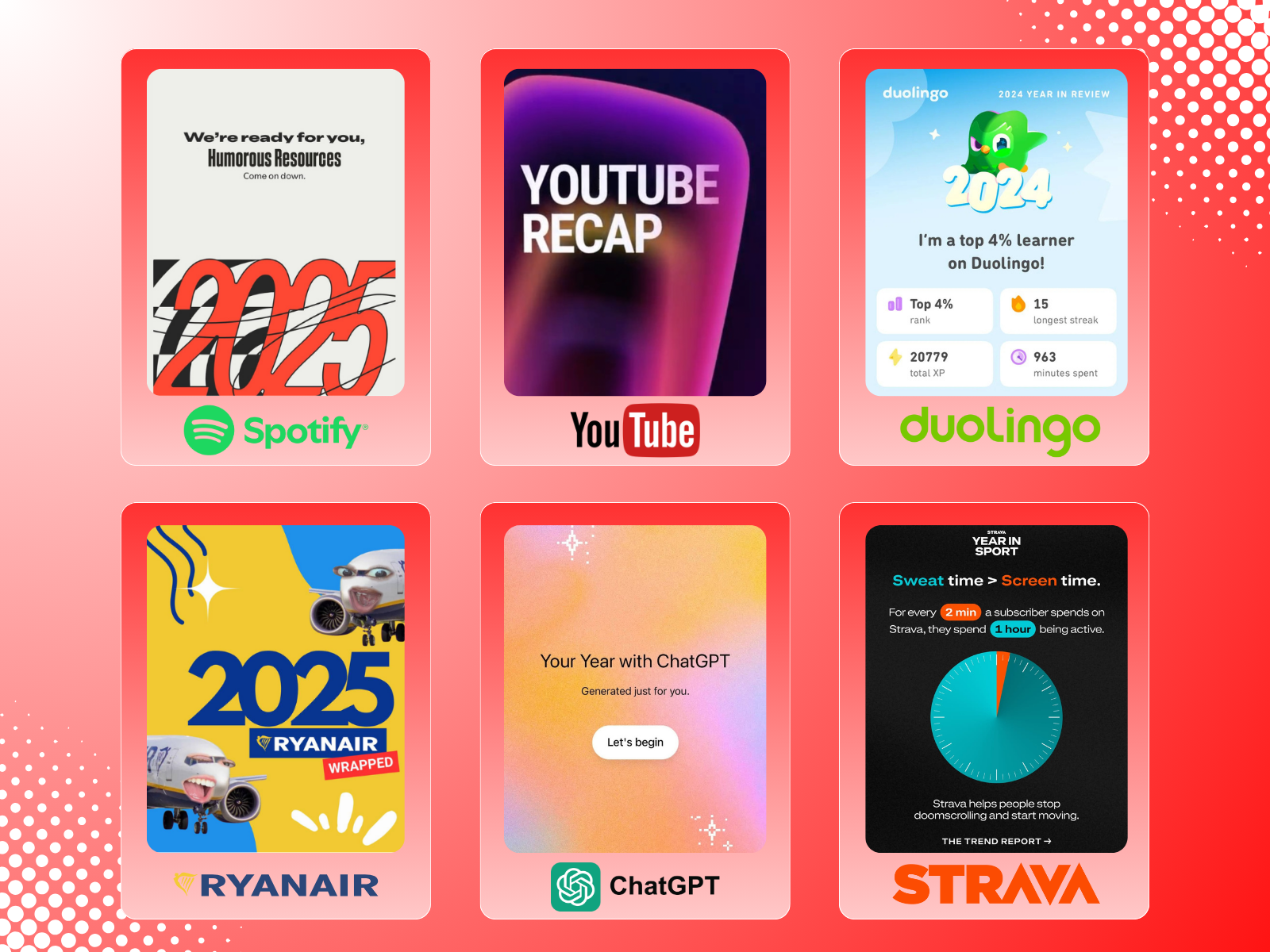
The brands with the strongest cultural currency are often those that feel present in everyday conversation without appearing intrusive. Spotify Wrapped is a clear example. Each year, it dominates year-end discourse, shaping how people reflect on their habits and how other brands across categories approach their own annual recaps. What began as a product feature has become a cultural marker, one that signals how deeply Spotify understands its audience and the moment they occupy.
Why Cultural Currency Matters Now
The attention economy has flattened traditional advantages. Every brand can publish. Every campaign can be amplified. As a result, audiences have become selective about what they engage with and even more selective about what they share.
Cultural currency compounds differently from performance metrics. Brands that hold it shape conversation rather than chasing it. Gucci’s position at the top of the Cultural Currency Index reflects this dynamic. Through cinematic storytelling and a century-long legacy interpreted for the present, Gucci continues to influence fashion narratives beyond seasonal collections. Its relevance comes from symbolism, mood and authorship, not frequency.
This form of brand equity creates familiarity without repetition and relevance without fatigue.

Building Cultural Currency
Cultural currency grows at the intersection of meaning and momentum. Brands earn it by contributing something that feels timely, recognisable and rooted in human behaviour.
In India’s quick commerce landscape, Blinkit has achieved a cultural imprint by embedding itself into daily life. Through aggressive expansion paired with witty packaging, localised messaging and constant dialogue with customers, Blinkit has become a reference point for speed and convenience, much like Google became synonymous with search.

Participation Over Presence
Cultural currency requires brands to move from presence to participation. This means engaging with culture as it exists rather than forcing alignment through surface-level references.
Participation shows up in how brands collaborate, how they respond to cultural shifts and how consistently they show up with a point of view. It requires clarity on what the brand stands for and discipline around where it chooses to play.
Brands with cultural currency understand when to speak and when to stay silent. They respect context. They recognise that relevance comes from resonance, not volume.
The Long-Term Advantage
In the long run, cultural currency creates resilience. Brands with strong cultural standing are more forgiving to price changes, product shifts or platform volatility. Their value extends beyond utility into identity.
This is especially important in categories where functional differentiation is minimal. Cultural currency becomes the reason people choose one brand over another, even when alternatives offer similar benefits.
In an era where algorithms constantly change and attention fragments faster than ever, cultural currency remains stable because it lives with people, not platforms.
Why It Cannot Be Inflated
Cultural currency resists shortcuts. It cannot be bought in bulk or manufactured through one campaign. Attempts to inflate it through overexposure or forced relevance often backfire, eroding trust instead of building it.
What makes cultural currency powerful is also what makes it rare. It grows slowly, rewards consistency and demands cultural literacy. Brands either earn it through sustained participation or remain on the periphery of conversation.
For brands navigating 2026 and beyond, cultural currency is not a trend to adopt. It is a capability to build. In the attention economy, it is the only asset that holds its value over time.
.png)
.png)