

Creator partnerships have often been evaluated through audience size, projected reach, CPM and a list of deliverables. These metrics make costs and exposure easier to compare, while a creator’s ability to shape ideas, build community and influence how people feel about a brand is harder to capture in a media plan.
That approach leaves a brand question unanswered: what will people associate with us afterwards?
The investment model is expanding. IAB’s 2026 analysis describes brands embedding creators in ongoing programmes and product development. Affection gives that investment a longer-term ambition: becoming a brand people feel attached to, choose again and recommend.
The Fandom Effect
A creator’s most committed followers help keep their work circulating. They make reaction videos, explain references and introduce others to the community.https://www.youtube.com/trends/report/fandom-2024/documents how fan-created content extends the original work and attracts audiences of its own.
For a brand, this creates an opening. In the report’s US survey, 74% of Gen Z fans said they liked seeing brands engage with things they were fans of. A thoughtful partnership can give the community something worth participating in.
Fans may celebrate a creator landing a sponsorship while feeling little attachment to the sponsor. A brand needs its own reason to belong, whether that comes through a useful product, a shared experience or work the community wants to see.
Give Creators Something to Shape
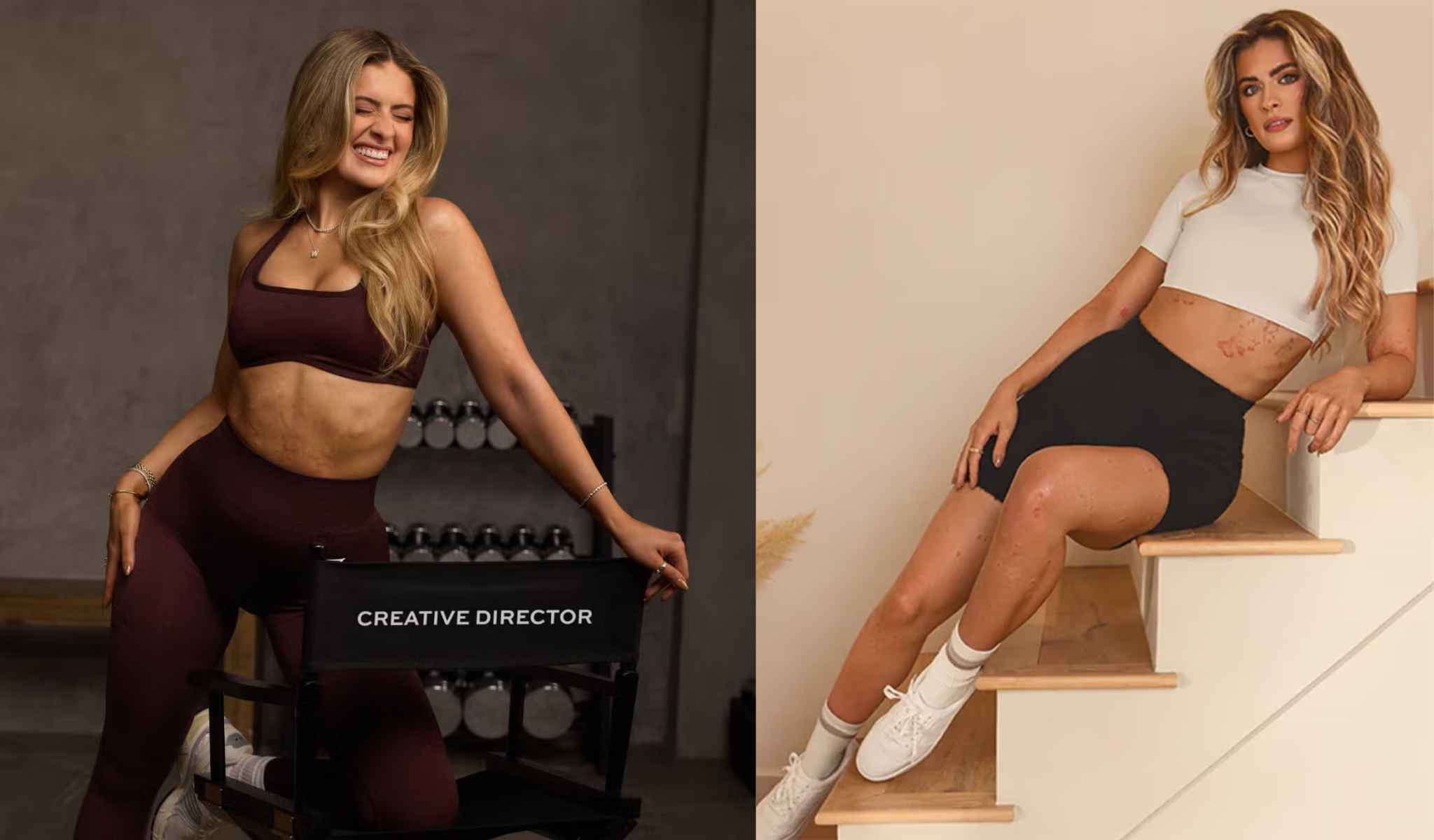
Gymshark’s relationship with Whitney Simmons shows how a partnership can develop. An ambassador by 2018, she later became creative director of its Adapt collection. Gymshark describes her involvement through the clothing itself, including new prints, colours and a redesigned waistband.
Creative authority reaches the product itself. Her perspective has a place in what customers wear. For Gymshark, this creates an opportunity to make its commitment to the training community tangible, with a partnership that can develop across collections.
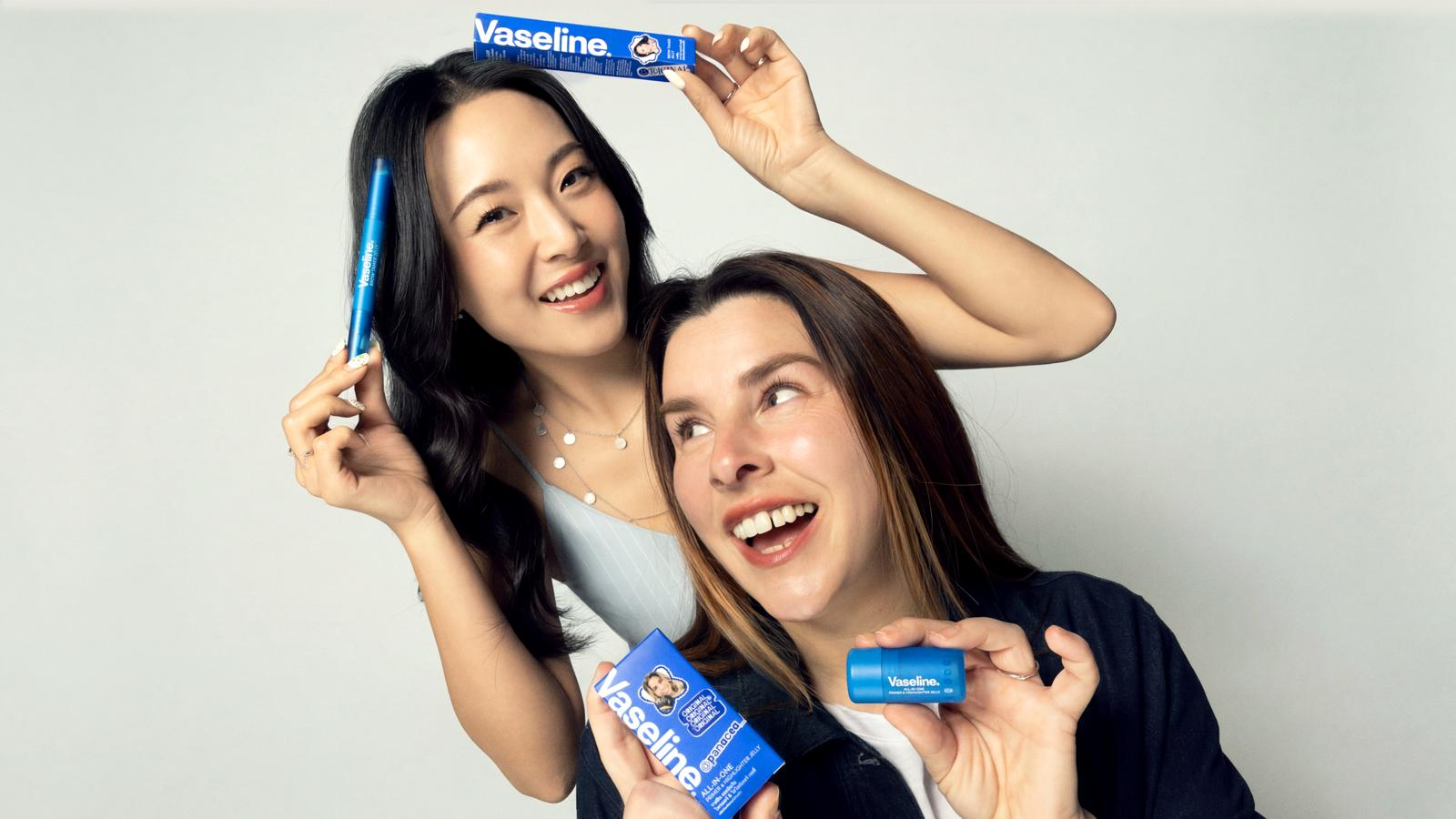
Vaseline has taken a similar approach through community-led innovation. Its Originals range launched on TikTok Shop in Thailand in April 2026, turning beauty hacks associated with Jen Chae and Lauren Luke into new products. Both creators participated in the launch and earned from product sales.
Vaseline gives people evidence that it listens, while rewarding the creators whose ideas helped shape the range. The products reinforce the brand’s everyday usefulness and allow the community to recognise its own habits in the brand’s development. That is a credible basis for attachment.
How the Value Compounds
The brand-building logic is cumulative. A first collaboration can establish an association. Later work gives people fresh reasons to recall it. When fans explain the partnership, recommend a product or create something around it, they can reinforce that meaning for others.
Advocacy becomes valuable to the brand when the recommendation carries a reason to choose it. A fan explaining why a collaboration matters gives the next person context that an impression count cannot capture.
A continuing partnership also gives each new launch a shared history. Audiences have context for the collaboration and expectations about what it will offer. Over time, that familiarity can support preference and repeat purchase.
That potential depends on coherence. A succession of unrelated endorsements leaves the audience to work out what connects them. Each creator’s contribution should make the brand’s character easier to recognise.
Affection Needs Evidence
Brands should still track reach, cost and immediate sales. Alongside those measures, they need to ask whether people remember the brand, understand its role and become more likely to choose it.
Useful evidence includes changes in brand associations, unsolicited recommendations and repeat purchasing across successive launches. Comments praising the creator alone offer limited evidence of attachment to the brand. Brand-lift studies and comparison groups can help separate partnership effects from existing loyalty.
Those ambitions need to be reflected in the brief and the budget. Bring creators into the process while the idea is still taking shape. Pay for development, give them room to challenge the execution and build recurring formats that audiences can recognise. Product collaboration is one option; an original series or sustained creative platform can serve the same ambition.
The test comes after the launch: do people have a reason to keep choosing the brand? A creator partnership should keep adding to that answer.

References
- Interactive Advertising Bureau (IAB). (16 April 2026). Digital Ad Revenue Climbs to Nearly $300B as IAB Celebrates 30 Year Anniversary.
- YouTube. (2024). YouTube Culture & Trends Report 2024: Fandom.
- Dale-Tooze, Lannay. (5 August 2024; updated 30 July 2025). Whitney x Adapt | The Journey Continues. Gymshark Central.
- Reich, Dan. (16 April 2018; updated 17 April 2018). How Whitney Simmons Went From Unemployed To YouTube Phenomenon. Forbes.
- Zwieglinska, Zofia. (22 June 2026). Vaseline is turning 2008 beauty hacks into TikTok Shop sellouts. Glossy.
- Unilever. (13 July 2026). How Vaseline turned verified hacks into new products and partnerships.
- Batra, Rajeev, Ahuvia, Aaron, and Bagozzi, Richard P. (2012). Brand Love. Journal of Marketing, 76(2), 1–16.
- Rauscher, Tobias. (7 April 2021). Inside Google Marketing: How we (finally) proved the value of influencer marketing. Think with Google.